
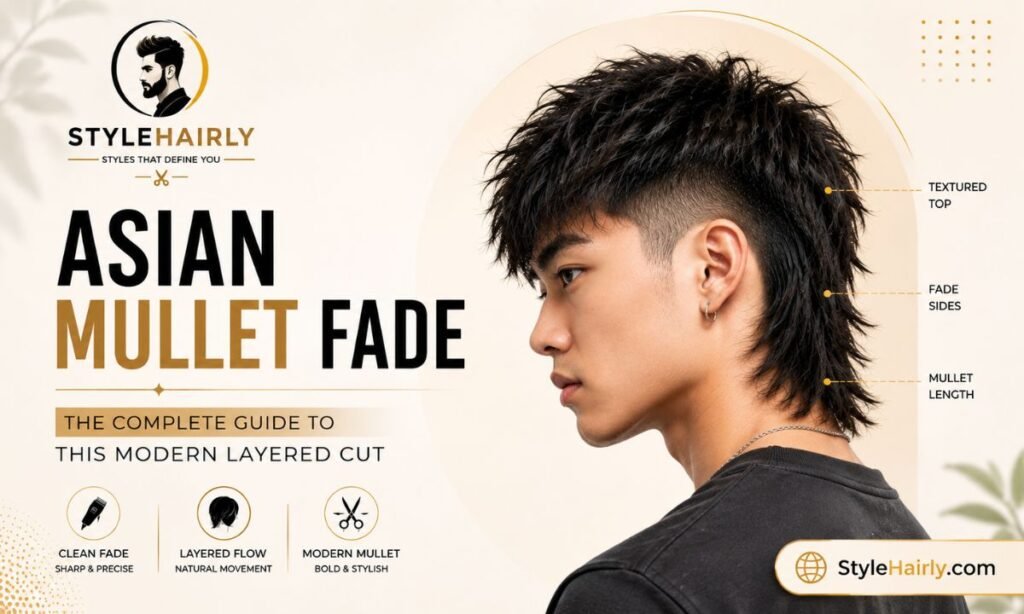
If you’ve been scrolling through hairstyle inspiration and keep landing on the choppy, textured cut with short faded sides and longer layered hair on top and at the back, you’re likely looking at what’s commonly called an Asian mullet fade. Figuring out whether this style will actually work with your hair texture, face shape, and daily routine can be harder than it looks, especially since the style varies a lot depending on how it’s cut.
The Asian mullet fade combines a tapered or faded side with longer, textured layers on top that blend into a slightly extended back section. It works especially well with thick, straight, or wavy hair because that hair type holds the choppy layering and volume the style depends on.
This guide covers what the cut actually looks like, which hair types and face shapes suit it best, how to style and maintain it, what to tell your hairstylist, and how it compares to related cuts like the wolf cut and classic mullet.
Asian Mullet Fade at a Glance
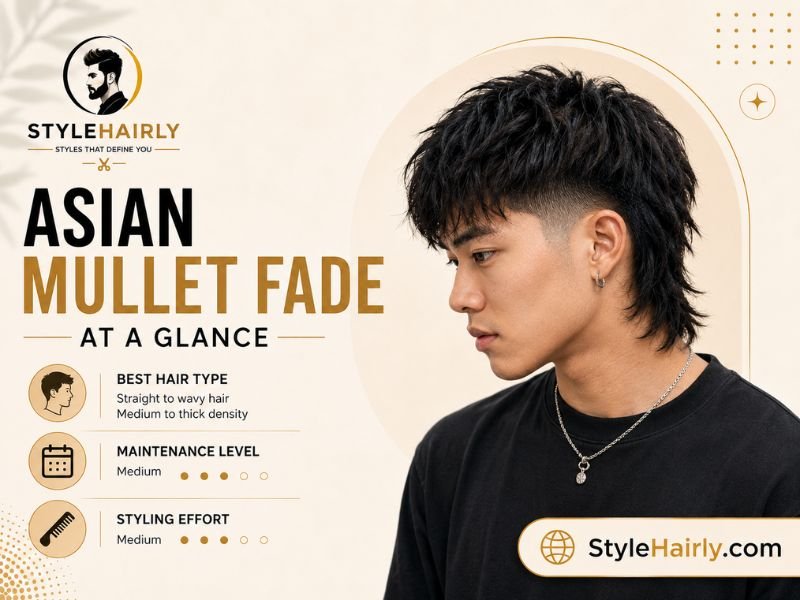
Best for: Thick, straight, or wavy hair with natural volume
Hair length needed: Medium length on top, short on the sides
Hair types: Works well with straight and wavy textures; can work with curly hair with adjusted layering
Maintenance: Moderate fade needs regular upkeep, top layers need periodic trims
Styling effort: Low to moderate, depending on desired texture
Main feature: Short faded sides paired with longer, choppy, layered top and back sections
What Is an Asian Mullet Fade?
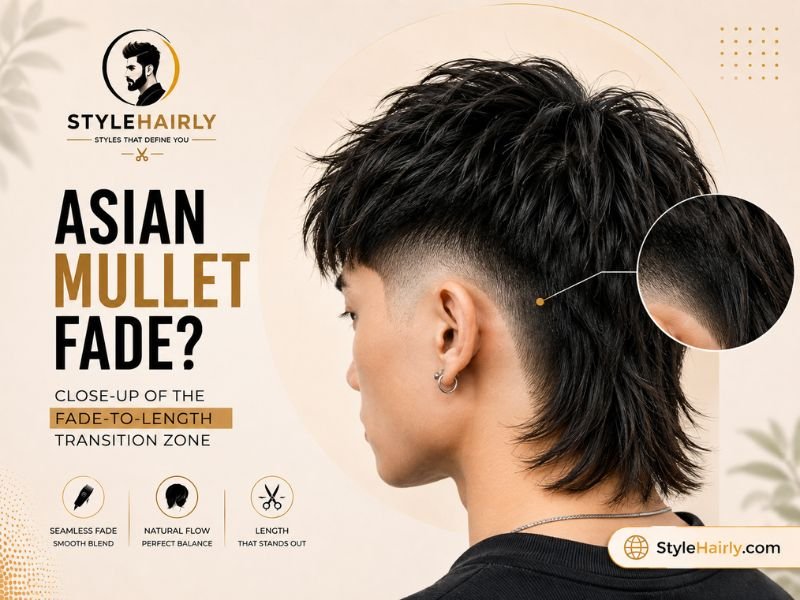
An Asian mullet fade is a modern take on the traditional mullet that pairs a skin or taper fade on the sides with longer, heavily textured layers on top that flow into a slightly longer back section. The name reflects its popularity in South Korean and Japanese men’s hairstyle trends, where the cut is often styled with soft, piecey texture rather than the slicked-back look of the 1980s mullet.
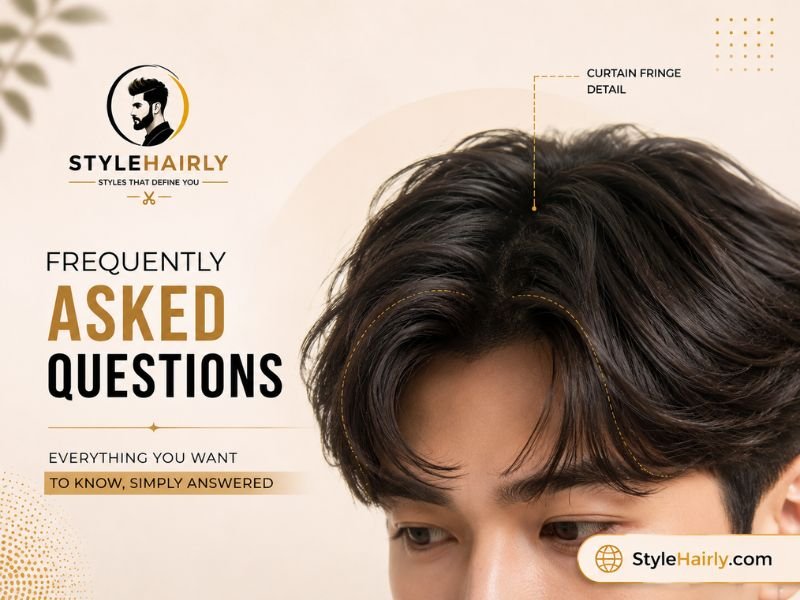
Unlike the retro mullet, which relied on length contrast alone, this version depends heavily on fade precision and layer placement. The sides are cut close to the scalp and gradually blend upward, while the top is left long enough to create movement, texture, and a soft fringe or curtain effect at the front.
How It Differs From a Traditional Mullet
The traditional mullet keeps more uniform length on the sides with a sharp drop to longer hair in the back. The Asian mullet fade instead uses a gradual fade on the sides, which creates a cleaner, more polished transition and removes the bulk that makes a traditional mullet look heavier. The top sections are also cut with more layering and texture, giving the style a softer, more contemporary shape rather than a flat slab of length.
Which Hair Types Work Best With This Style
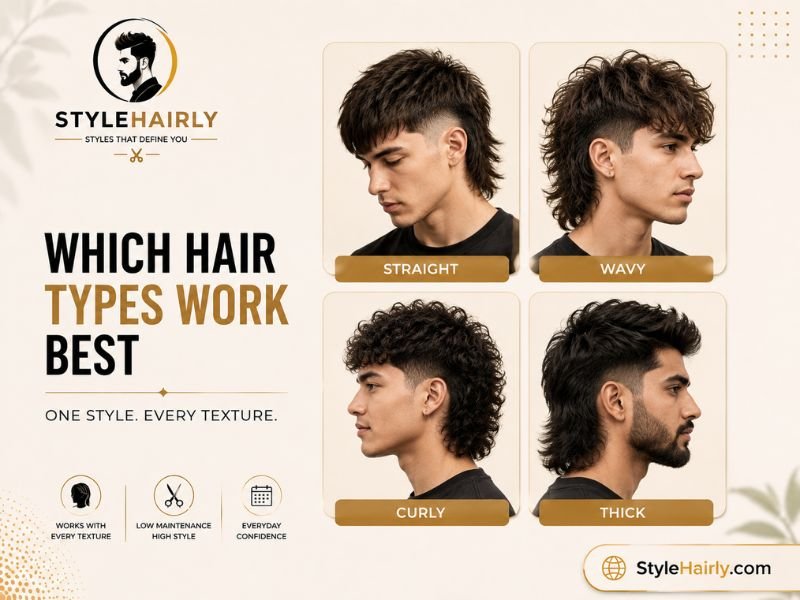
Straight Hair Considerations
Straight hair shows off the fade line clearly and creates a sleek contrast against the textured top. Because straight hair doesn’t add natural volume on its own, the top layers usually need texturizing scissors or a point-cut technique to prevent the style from looking flat. A light styling product with texture-building properties helps keep the shape from falling straight down.
Wavy Hair Considerations
Wavy hair is often considered ideal for this cut because the natural bend adds movement to the layers without much extra styling effort. The waves help the choppy top sections separate naturally, giving the style the tousled, lived-in look that’s central to the trend. Wavy hair also tends to hide small growth-out inconsistencies better than straight hair.
Curly Hair Considerations
Curly hair can work with an Asian mullet fade, but the layering approach usually needs adjustment. Curls add volume on their own, so a hairstylist may remove more weight from the top to avoid excessive bulk, and the fade transition often needs to be slightly higher to balance the visual density of the curls against the shaved sides.
Fine vs. Thick Hair
Thick hair holds the choppy, piecey texture that defines this cut without much product, since there’s enough density to create separation. Fine hair can still work, but the top length usually needs to stay shorter to avoid looking limp, and lightweight volumizing products become more important for maintaining shape throughout the day.
Face Shape Suitability
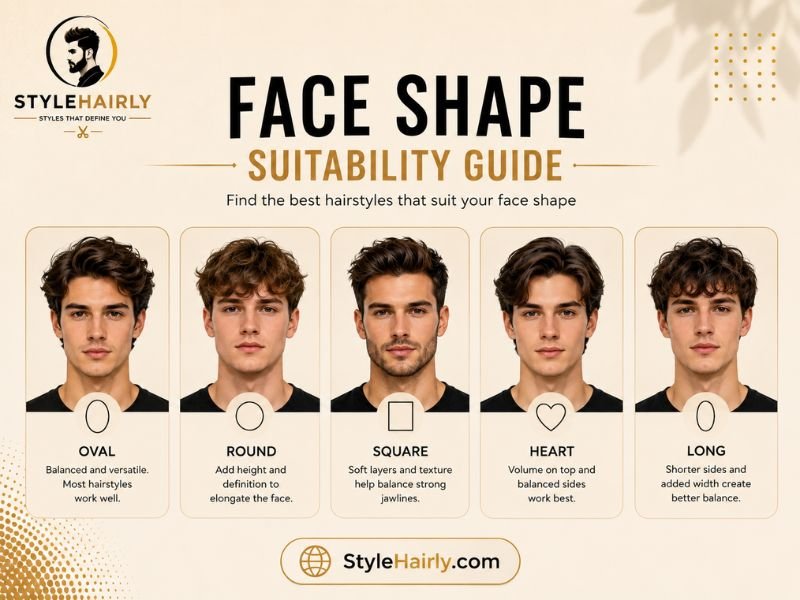
| Face Shape | How the Style Typically Works |
| Oval | Generally works well with most fade heights and top lengths since the balanced proportions of an oval face suit almost any layering pattern. |
| Round | A higher fade paired with more height on top can help elongate the face; keeping the sides very short reduces added width. |
| Square | Softer, rounded layers on top with a mid-height fade can balance a strong jawline without adding harsh angles. |
| Heart-shaped | A fringe or curtain-style front section can help soften a wider forehead while the fade keeps the lower half of the face streamlined. |
| Long | A lower fade with fuller, less-tapered sides can help avoid making the face appear even longer. |
These are general tendencies rather than guarantees the right combination depends on how your hairstylist adjusts fade height and layer length for your specific proportions.
Pros and Cons
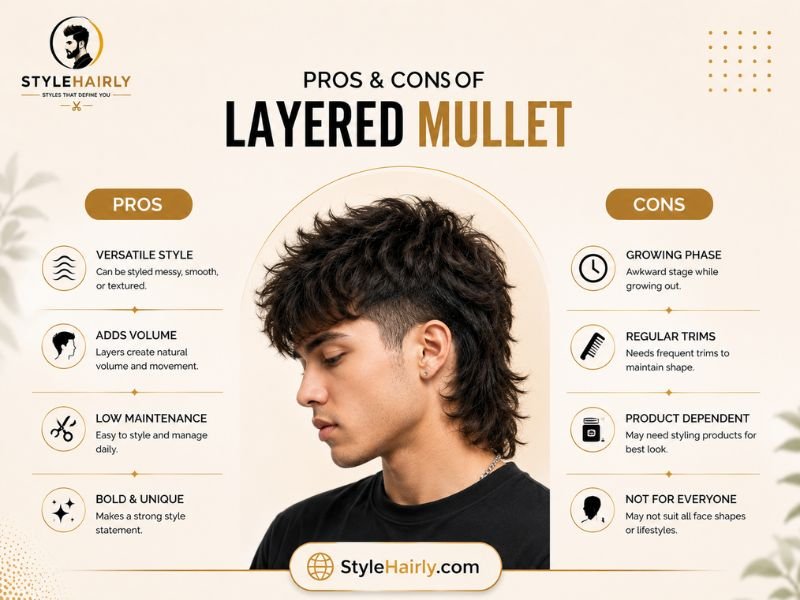
Pros
- The fade keeps sides low-maintenance between top trims
- Layered texture on top hides some growth without looking unkempt
- Versatile styling options, from slicked to messy textured looks
- Works with a range of hair textures when layering is adjusted correctly
Cons
- Requires more frequent fade touch-ups than a uniform-length cut
- Can look unbalanced if the top isn’t cut with enough texture
- Fine hair may need more product and styling effort to hold shape
- Growing it out unevenly between top and back sections can create an awkward in-between phase
What to Tell Your Hairstylist
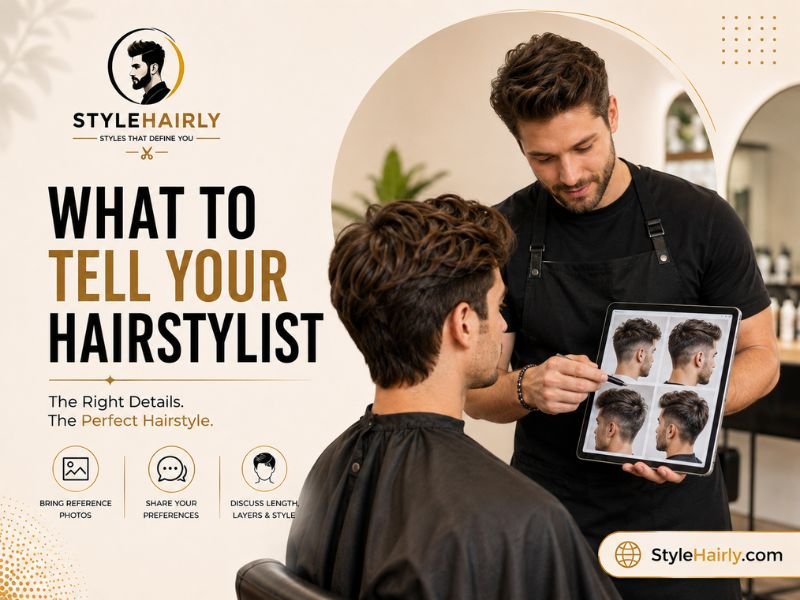
Getting a clean result depends on communicating specifics rather than just showing a photo. Be clear about:
- Fade height: Low, mid, or high fade changes how dramatic the contrast looks against your face shape
- Top length: Specify roughly how long you want the top (in inches or finger-widths) so it’s neither too short to style nor too long to manage
- Back section length: Decide whether you want a subtle mullet-style extension or a more pronounced longer back
- Amount of texture: Ask for point-cutting or texturizing shears if you want a choppier, less blocky finish
- Fringe or curtain style: Mention whether you want the front pieces to fall forward as a fringe or be swept to the sides
Bring a reference photo, but also describe your hair type honestly, since a style that looks a certain way on straight hair may need adjustment for wavy or curly textures.
How to Style an Asian Mullet Fade
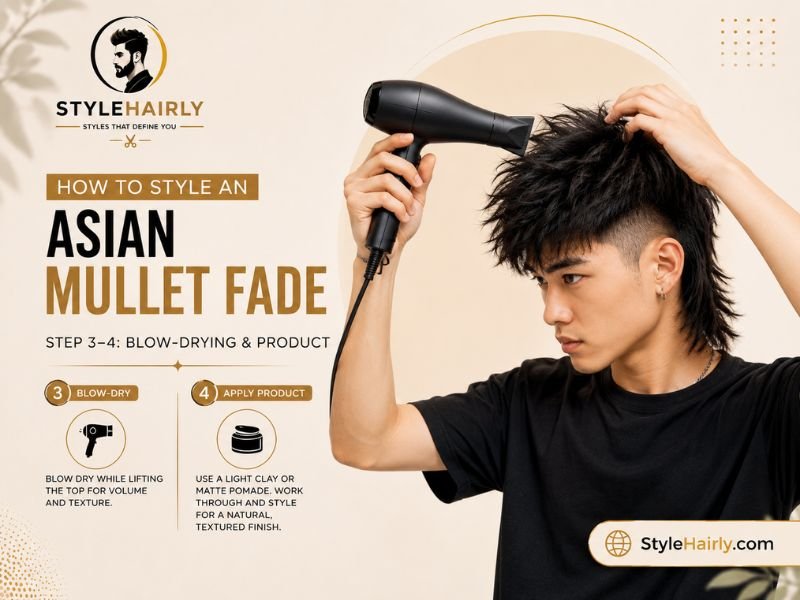
- Prep: Start with damp, towel-dried hair. Avoid applying product to soaking wet hair, since it dilutes hold.
- Products: A lightweight texturizing paste or sea salt spray works well for a piecey finish; a matte clay gives more defined separation for a slightly more polished look.
- Blow-dry with direction: Use a round brush or your fingers to direct the top layers where you want volume, focusing heat at the roots for lift. Always use a heat protectant spray before applying direct heat.
- Style the top: Rub a small amount of product between your palms and scrunch or twist sections of hair to create separation, rather than smoothing it flat.
- Finish the sides: The faded sides typically need little to no product; a light comb-through is usually enough.
- Set with light hold spray: A flexible hold spray helps maintain texture through the day without stiffening the style.
Maintenance and Upkeep
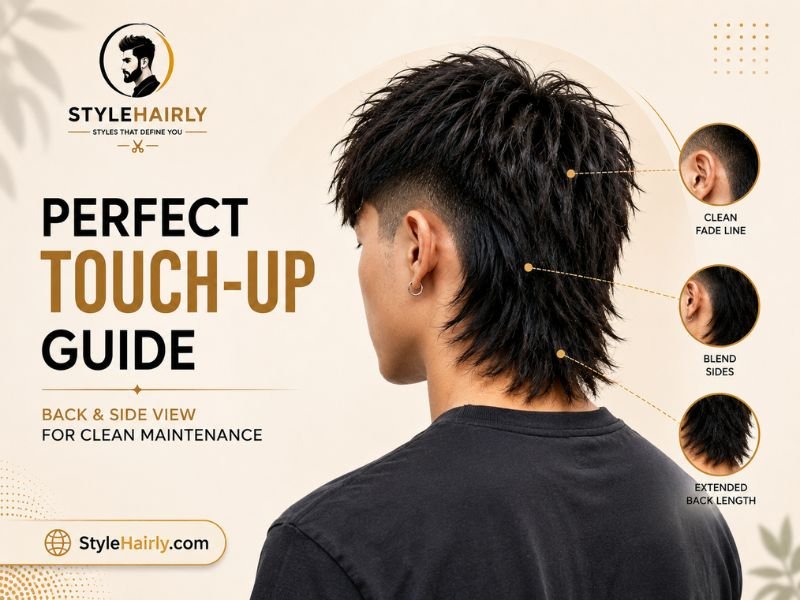
The fade portion of this cut grows out faster than the layered top, so most people need a fade touch-up every two to three weeks to keep the contrast sharp. The top layers can typically go longer between trims, often six to eight weeks, since some growth adds to the textured look rather than detracting from it. Regular trims on the ends prevent the choppy layers from looking stringy as they grow.
Asian Mullet Fade vs. Wolf Cut
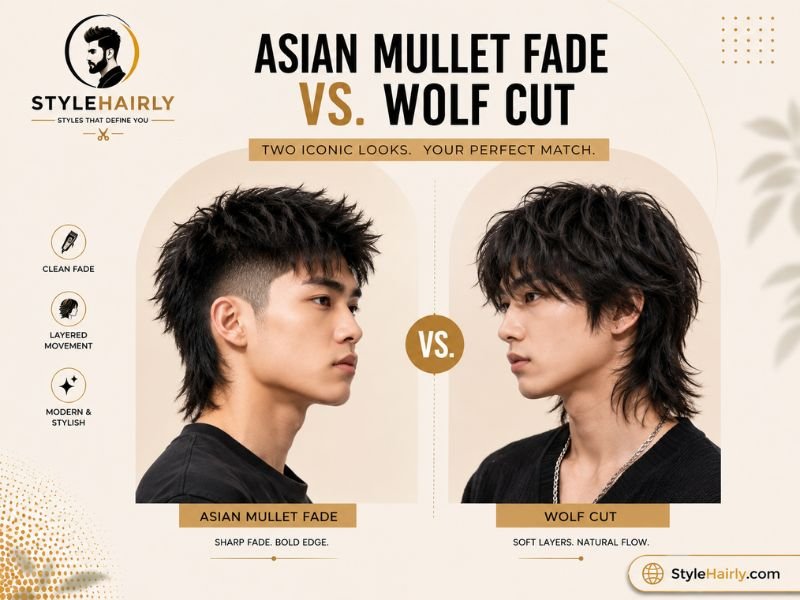
Both styles share layered texture and a shaggy influence, but they differ in structure and finish.
| Feature | Asian Mullet Fade | Wolf Cut |
| Sides | Faded or tapered close to the scalp | Usually left longer with softer blending |
| Top texture | Choppy layers with a defined fringe or curtain section | Heavily layered, shag-inspired texture throughout |
| Back length | Slightly extended, mullet-inspired | Often uniformly shaggy without a distinct mullet drop |
| Overall vibe | Edgier, more contrast-driven | Softer, more tousled and retro-shag inspired |
| Maintenance | Higher due to fade upkeep | Lower, since there’s no fade line to maintain |
If you want sharper contrast and a more defined silhouette, the mullet fade tends to deliver that better. If you prefer a softer, all-over textured look with less frequent barber visits, a wolf cut may suit your routine better.
Alternative Styles to Consider
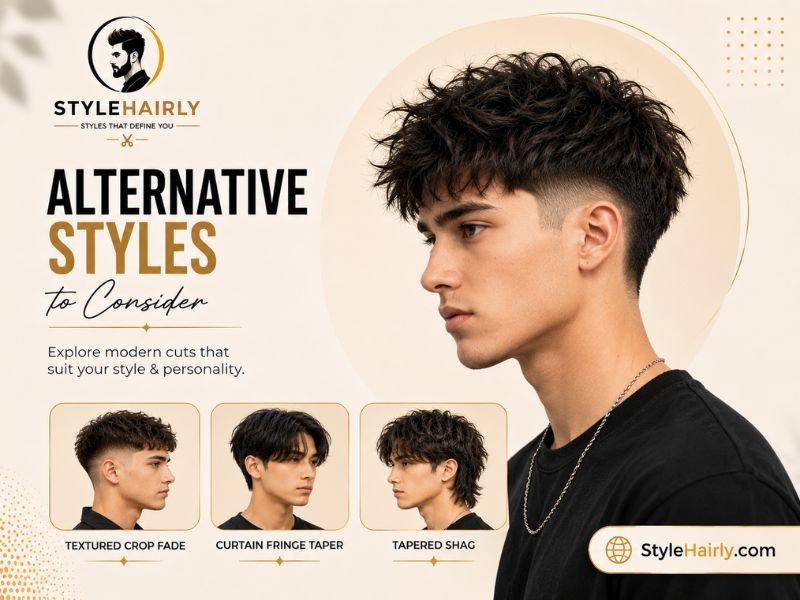
If the full mullet fade feels like too much commitment, a few related options offer similar texture with less contrast:
- Textured crop with a fade: Keeps the fade but skips the extended back length
- Curtain fringe with a taper: Focuses on the face-framing front pieces without the mullet-style back
- Classic shag with tapered sides: Softer transition between lengths, less dramatic than a full fade
Frequently Asked Questions
Is an Asian mullet fade good for thin hair?
It can work, but thin hair usually looks best with slightly shorter top length and a texturizing cut that removes some weight, since too much length without density can look limp rather than textured.
Does this haircut work on curly hair?
Yes, though the layering typically needs adjustment. A hairstylist will often reduce bulk on top and may set the fade slightly higher to balance the natural volume that curls create.
What face shape suits an Asian mullet fade best?
Oval faces tend to suit most variations easily, but round, square, heart-shaped, and long face shapes can all work well when the fade height and top length are adjusted to complement the specific proportions.
Is this hairstyle high maintenance?
It’s moderate maintenance overall. The fade needs touch-ups roughly every two to three weeks, while the top layers can typically go six to eight weeks between trims.
How do I style an Asian mullet fade at home?
Start with damp hair, apply a lightweight texturizing product, and use your fingers or a round brush to direct volume at the roots while scrunching the ends for separation. A light-hold spray helps maintain the shape.
What should I ask my hairstylist for?
Be specific about fade height, top length, how much back extension you want, and whether you prefer a choppier or more polished texture. Bringing a reference photo alongside a description of your hair type helps avoid miscommunication.
How long does an Asian mullet fade last before it needs reshaping?
The overall silhouette generally holds its shape for six to eight weeks, though the fade itself needs more frequent maintenance to stay sharp during that period.
Can I get an Asian mullet fade with straight hair?
Yes, straight hair works well with this cut, though it typically needs texturizing techniques like point-cutting to prevent the top from looking flat, along with a texture-building product for added movement.
Conclusion
An Asian mullet fade works best when the fade height, top length, and layering are matched to your specific hair texture and face shape rather than copied exactly from a photo. Wavy and thick hair tend to hold the style with the least effort, while fine, straight, or curly hair may need small adjustments in layering or product use to get the same effect. If you’re deciding whether to commit, weigh the moderate maintenance schedule against how much you like the contrast between the faded sides and textured topvand communicate your hair type and desired proportions clearly with your hairstylist before the first cut.

1 thought on “Asian Mullet Fade (2026): The Best Styling Guide”