

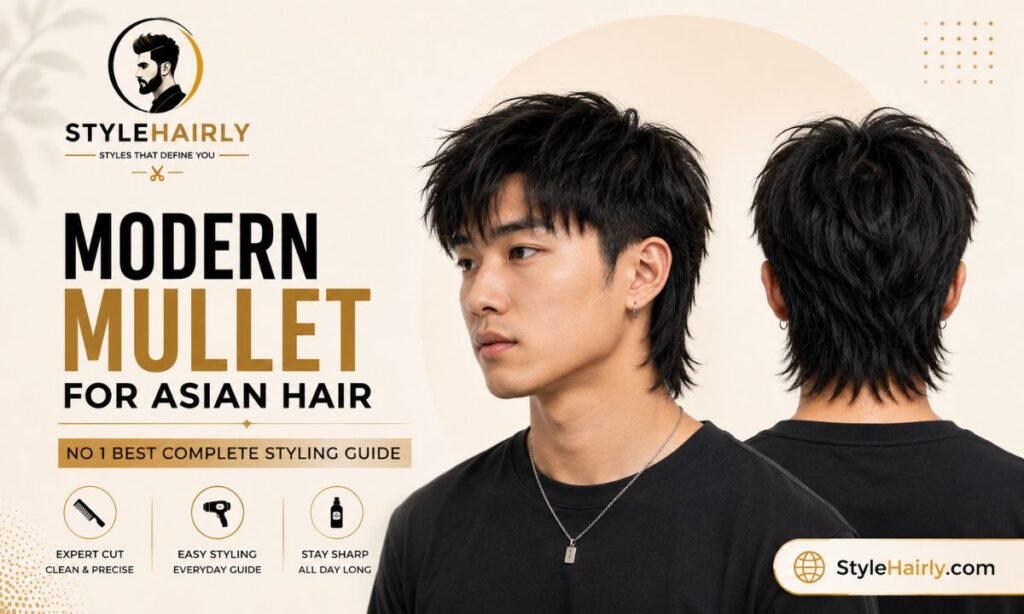
Asian hair tends to be straight, dense, and resistant to the kind of loose texture that mullets rely on for movement which is exactly why so many people search for guidance before booking the cut. A mullet built for fine, wavy hair often falls flat or looks stringy on thick, straight Asian hair without the right adjustments.
The short answer: a modern mullet can absolutely work on Asian hair, but it needs to be customized. That usually means shorter, more textured layers up top, a longer and slightly thinned-out back, and cutting techniques (like point cutting or razor work) that break up the natural thickness so the style has movement instead of sitting like a solid block.
This guide covers how the modern mullet needs to be adapted for straight, thick, and dense Asian hair textures, which face shapes and hair lengths work best, how to talk to your stylist so you get the right version, and how to style and maintain it once you leave the salon.
What Is a Modern Mullet, and How Is It Different From the Classic Version
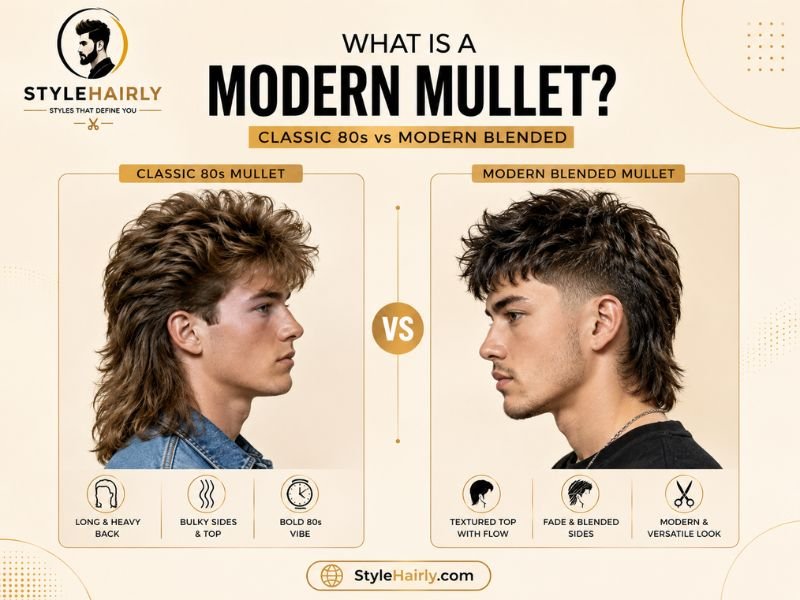
The modern mullet keeps the short-front, long-back concept of the 1980s original but softens the contrast between the two. Instead of a hard, blunt line between short and long sections, today’s version uses layering and texture to blend the transition, so it reads as edgy rather than dated.
Key differences from the classic mullet:
- Softer blending between the crown and the nape instead of a visible shelf
- More texture on top, often with piecey, choppy layers
- A shorter, tidier back in many modern versions, rather than dramatic length
- Face-framing pieces at the front, similar to curtain bangs
- Room for customization by hair type, which matters a lot for Asian hair
For Asian hair specifically, “modern” also tends to mean less reliance on natural wave or curl to create shape. The cut itself has to do more of the work, since the hair won’t naturally separate into pieces the way looser textures do.
Why Straight, Thick Asian Hair Needs a Different Approach
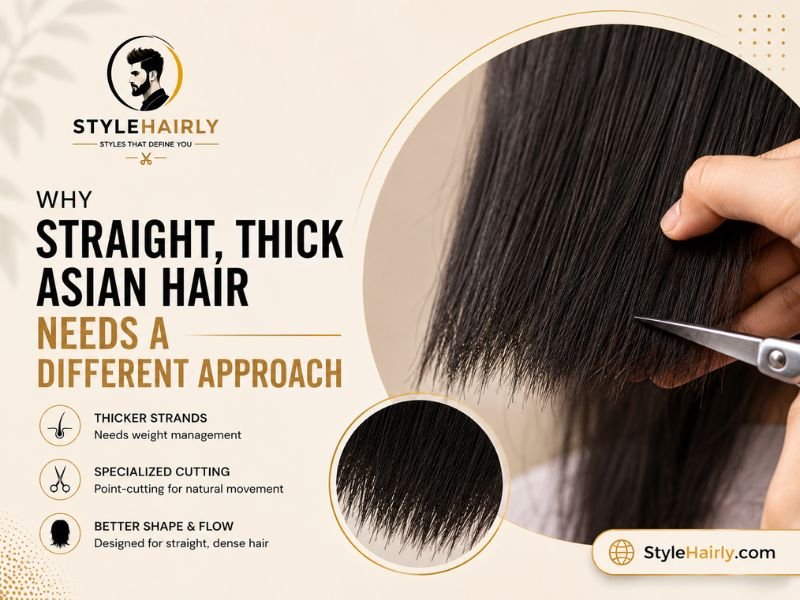
Straight, dense hair behaves differently under scissors than wavy or curly hair, and a mullet cut without accounting for this can end up looking heavy or helmet-like rather than textured.
The Density Problem
Asian hair often has a higher number of hair strands per square inch, and each strand tends to have a thicker diameter than hair with looser textures. When a stylist cuts a mullet using techniques designed for finer hair, the result can look like a solid mass instead of separated, moveable layers.
To manage this, stylists typically need to:
- Use point cutting or slide cutting to remove weight and soften ends, instead of only blunt cutting
- Add more internal layers so the hair has somewhere to move
- Consider thinning shears in moderate amounts (overuse can create frizz or make ends look wispy)
- Cut the crown shorter than they might on wavy hair, since straight hair shows length differences more clearly
The “No Natural Texture” Problem
Wavy and curly hair create movement on their own. Straight Asian hair typically doesn’t, which means the cut’s layer placement carries more responsibility for the mullet’s shape. This is one reason a good consultation matters more here than it might for other hair types the stylist needs to plan texture into the cut itself rather than relying on the hair to add it later.
The Growth Pattern Consideration
Asian hair often grows in a way that can create a strong, single direction of fall, especially around the crown and hairline. A mullet with heavy layering at the crown can sometimes fight against this growth pattern. Discussing your natural part and any cowlicks with your stylist before cutting helps avoid a style that constantly needs to be forced into place.
Modern Mullet at a Glance
Best for: Straight to slightly wavy hair, medium to thick density Hair length needed: Chin-length or longer, ideally shoulder-length in back Hair types: Works on straight Asian hair with texturizing techniques; also suits wavy hair Maintenance: Moderate regular trims needed to maintain shape Styling: Low to moderate daily effort once cut correctly Main feature: Short, textured top with a longer back section
Which Modern Mullet Variation Works Best for Your Hair
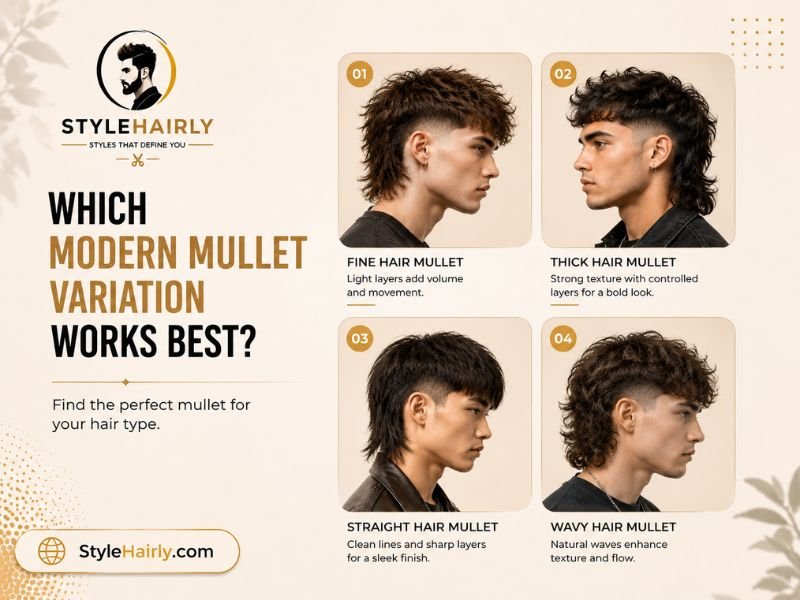
Not every version of the modern mullet suits every hair type equally. Matching the variation to your natural texture and density makes a noticeable difference in how easy the style is to live with.
For Fine or Thin Asian Hair
Fine, straight Asian hair benefits from a mullet with shorter overall length and fewer aggressive layers, since removing too much weight from fine hair can make it look sparse. A shaggy, textured top with subtle layering and a moderate back length tends to hold up better than an extreme version.
For Thick or Dense Asian Hair
Thick hair generally handles more layering well and can support a longer back section without looking overly heavy. Point cutting and heavier internal layering help break up density so the style doesn’t read as one solid block. This is where the modern mullet often looks most dramatic and intentional.
For Straight Hair With No Wave
If your hair has zero natural bend, texture needs to come almost entirely from the cut and from styling products. A shaggier crown with choppier ends gives the eye something to read as “texture” even without actual curl or wave.
For Slightly Wavy Hair
If you have subtle wave, even a small amount, the mullet will likely require less aggressive layering to achieve movement, since the natural wave does some of that work already.
Which Face Shapes Work Well With a Modern Mullet
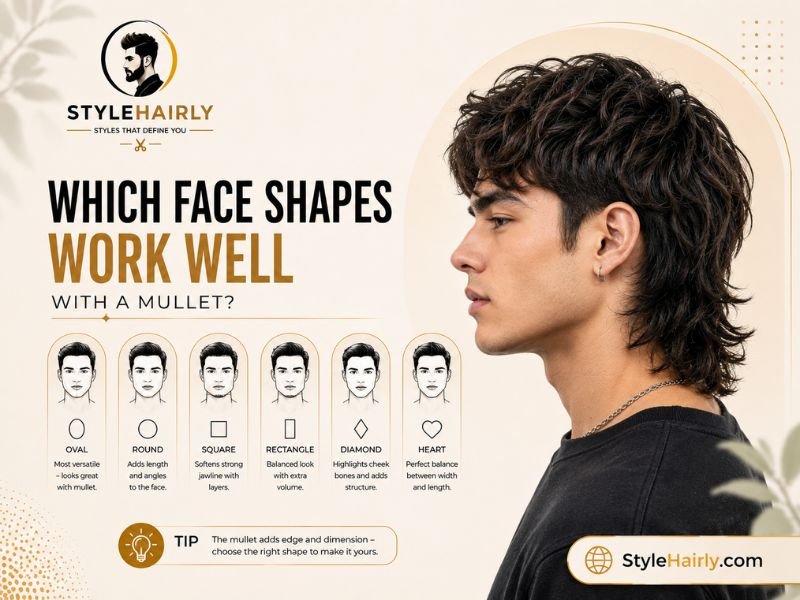
Face shape affects how the front sections of a mullet frame the face, particularly around the cheekbones and jaw.
| Face Shape | How the Modern Mullet Tends to Work |
| Round | Longer, angled face-framing pieces can help elongate the face; avoid too much volume directly at the cheeks |
| Oval | Generally flexible; most variations of the modern mullet work well |
| Square | Softer, wispier front layers can balance strong jaw angles |
| Heart-shaped | Shorter top layers paired with a bit more length near the jaw can balance a wider forehead |
| Long | Fuller crown volume and shorter overall length can help avoid elongating the face further |
These are general tendencies, not guarantees the way a mullet frames your face also depends on your hairline, part placement, and how the stylist customizes the front layers.
How to Style a Modern Mullet on Asian Hair
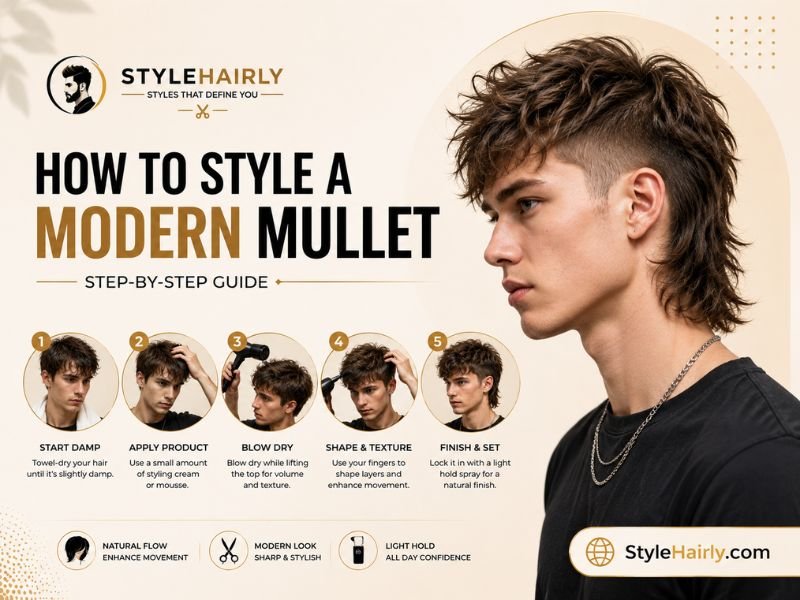
Because straight Asian hair doesn’t hold texture as easily as looser hair types, styling technique matters more here than in many other cuts.
- Prep on damp, not soaking-wet, hair. Towel-dry until hair is about 70% dry before applying product, since too much moisture dilutes styling products and slows down the process.
- Apply a lightweight texturizing product, such as a sea salt spray, texture cream, or light mousse, focused on the mid-lengths and ends rather than the roots.
- Blow-dry with a round brush at the crown to lift the roots, then let the back and sides air-dry or diffuse to avoid over-smoothing away the texture you’re trying to build.
- Use a flat iron or curling wand on select pieces (not the whole head) to add bend to face-framing sections and break up straight-line uniformity. Always apply a heat protectant before using hot tools.
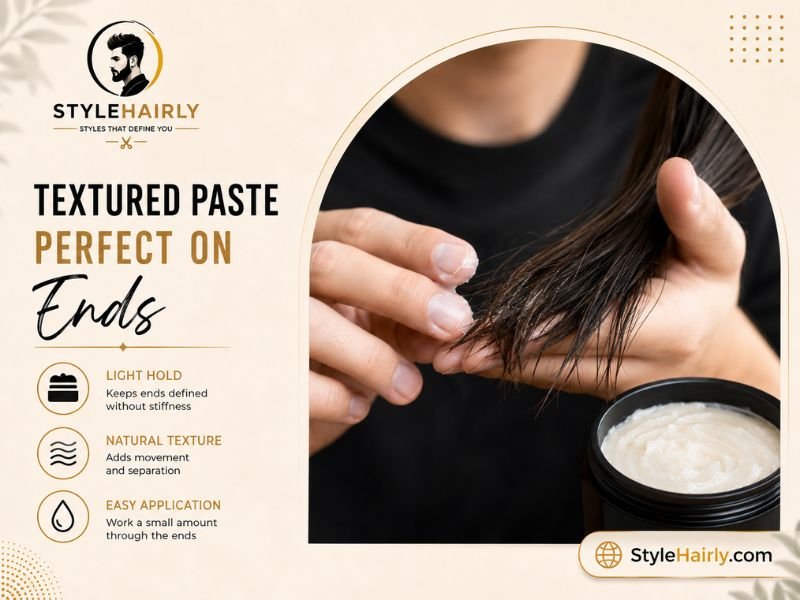
- Finish with a matte or texturizing paste worked through the ends with fingertips, not a comb, to keep pieces separated rather than smoothed together.
A common mistake is over-smoothing the whole head with a flat iron, which erases the textured, piecey look the modern mullet depends on. The goal is controlled texture, not sleekness.
Maintenance and Growing It Out
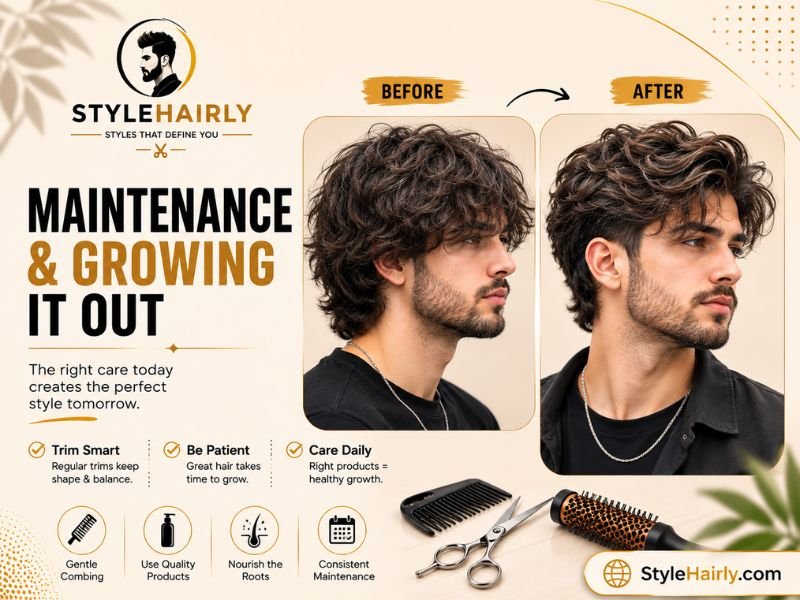
A modern mullet on Asian hair generally needs more frequent trims than a one-length cut, because the shorter top layers grow out faster than the back and can start to look unintentional if left too long.
- Trims: Many people find they need a shape-up every 4–6 weeks to keep the crown from getting shaggy in an unflattering way, though this varies by how fast your hair grows and how dramatic your version of the cut is.
- Growing it out: Because the back is already long, growing out a modern mullet mainly means waiting for the top layers to catch up. A stylist can blend the in-between stage so it doesn’t look like two separate haircuts.
- Color considerations: If you color-treat straight Asian hair, keep in mind that heavier chemical processing combined with frequent heat styling can increase breakage at the ends, which are already thinner from the layering. Regular conditioning treatments help offset this.
What to Tell Your Hairstylist
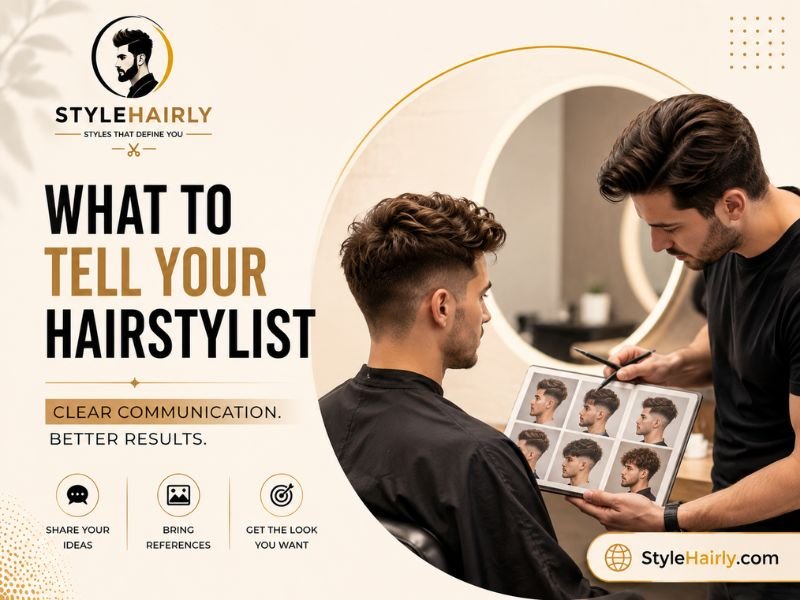
Bringing reference photos helps, but Asian hair’s density and texture mean the same photo can produce very different results depending on your hair type. Be specific about the following:
- Density and thickness: Mention if your hair is on the thicker or finer side so they can adjust how much thinning or point cutting to use
- Desired top length: Specify whether you want a short, choppy crown or something longer and shaggier
- Back length: State clearly how long you want the back “shoulder-length” reads very differently on different people
- Amount of contrast: Ask for a “blended” or “soft” transition if you want a more wearable, less dramatic mullet
- Texture goals: Ask specifically about point cutting or razor work if you want more movement, since straight hair needs this more than wavy hair does
- What to avoid: If you’re nervous about drastic change, ask them to keep more length at first you can always cut more off later, but you can’t add it back
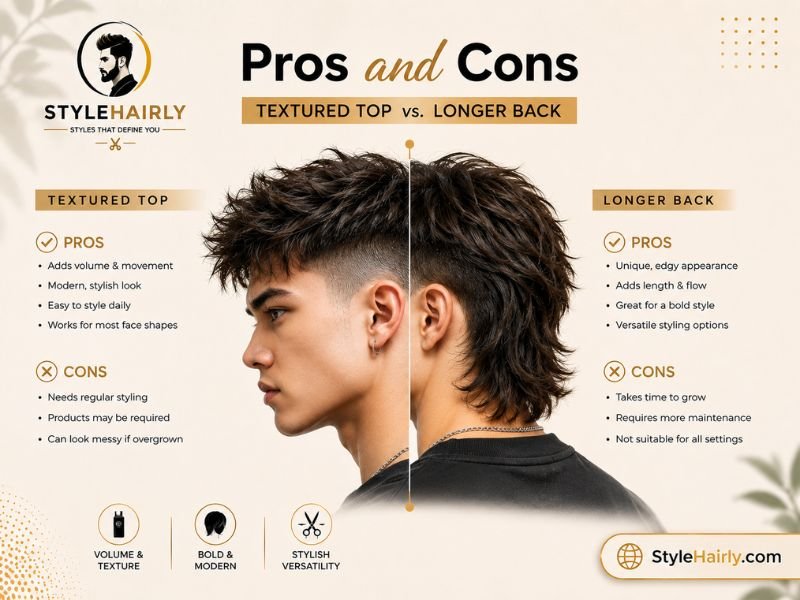
Pros and Cons of a Modern Mullet on Asian Hair
Pros
- Creates visible shape and movement on hair that might otherwise look flat
- Offers a distinctive look that stands out from common layered cuts
- Can be adapted across a range of lengths and densities
- Works with both straight and slightly wavy textures when cut correctly
Cons
- Requires more precise cutting technique than a basic layered cut, so stylist experience matters
- Needs more frequent trims to maintain the shape
- Styling takes more effort than a one-length cut, since texture doesn’t happen naturally
- Not an easy “wash and go” style for very straight, texture-resistant hair
Modern Mullet vs. Shag Cut
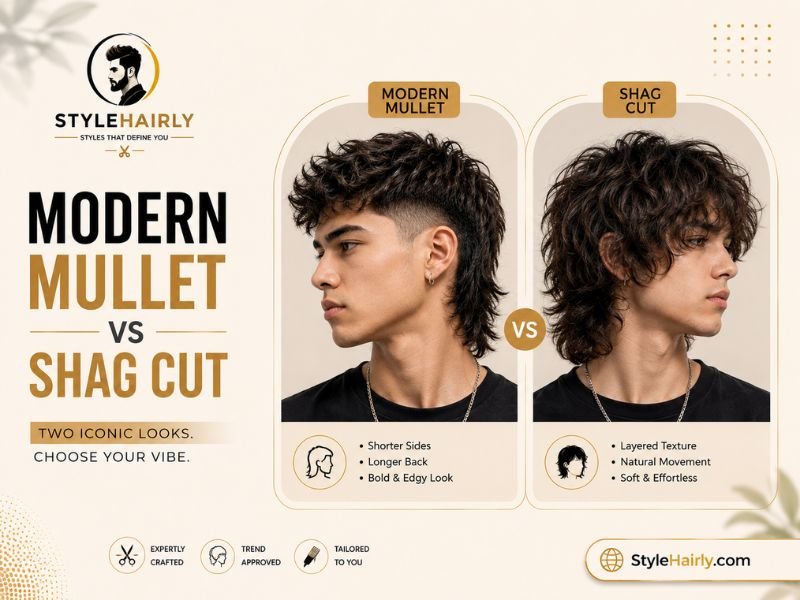
These two styles get confused often because both use heavy layering, but they’re built differently.
| Feature | Modern Mullet | Shag Cut |
| Length contrast | Distinct short-to-long difference (front/crown vs. back) | More even length distribution throughout |
| Layering focus | Concentrated at crown and front | Spread more evenly across the whole head |
| Best for | Those wanting a bold, defined silhouette | Those wanting all-over texture without dramatic contrast |
| Styling effort | Moderate to high | Moderate |
If you like the textured look of a mullet but want something less dramatic in its length contrast, a shag cut may be worth discussing with your stylist as an alternative.
Frequently Asked Questions
Does a modern mullet work on straight Asian hair with no wave at all?
Yes, it can work, but it depends heavily on the cutting technique. Point cutting, layering, and product-based texture become more important when there’s no natural wave to create movement, so the cut itself has to do more of the work.
Is a modern mullet high maintenance?
It’s moderate maintenance. It typically needs more frequent trims than a single-length cut to keep the top from growing out unevenly, and daily styling usually takes a bit more effort than a basic layered cut.
What face shape suits a modern mullet best?
Oval face shapes tend to have the most flexibility, but round, square, heart-shaped, and long face shapes can all work with adjustments to layer length and face-framing pieces.
Will a modern mullet look too heavy on thick Asian hair?
It doesn’t have to. Thinning techniques like point cutting and internal layering are commonly used to remove bulk and create separation, which prevents the style from looking like one solid block.
How short does the front need to be for it to read as a mullet?
There’s no single required length — the modern mullet is defined more by the contrast between shorter top layers and a longer back than by exact measurements. A stylist can adjust how dramatic that contrast looks based on your preference.
Can I style a modern mullet without heat tools?
Yes, to a degree. Texturizing spray or paste applied to damp hair and scrunched or air-dried can create some texture, though heat styling on select pieces usually gives more defined movement, especially on straight hair.
How often do I need trims to maintain the shape?
Many people find every 4 to 6 weeks keeps the shape looking intentional, though this depends on how fast your hair grows and how dramatic your particular cut is.
Is a modern mullet a good option for growing out a pixie cut or short hair?
It can be, since the shorter top layers of a mullet blend well with shorter hair while the back is allowed to grow. It’s worth discussing with your stylist as a transitional style if you’re growing out a very short cut.
Conclusion
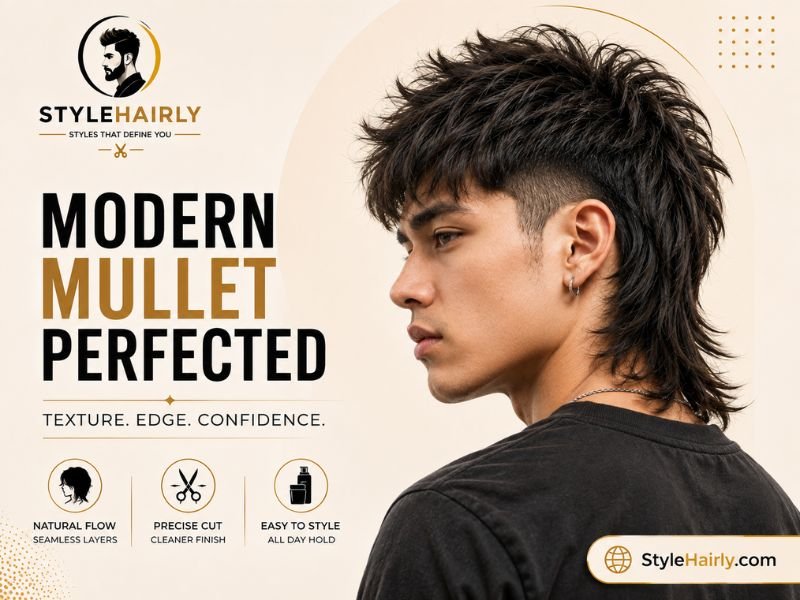
A modern mullet can look sharp and intentional on Asian hair, but the standard version of the cut usually needs adjustment for straight, dense textures think more point cutting, more internal layering, and a clear plan for how the top will be styled day to day.
The right variation depends on your hair’s density, how much natural wave you have, and your face shape, so a detailed consultation matters more here than for simpler cuts. If you’re unsure how dramatic to go, start with a softer, more blended version it’s easier to add more contrast later than to undo a cut that went too short.

1 thought on “Modern Mullet for Asian Hair: No 1 Best Complete Styling Guide”